
In a village where rivers curve like lullabies, the elephants do not forget, and neither will you.
Before you even see them, you feel them.
A gentle hush on the ground.
A rhythm in the air.
Like the earth itself has a heartbeat. Pinnawala isn’t loud.
It doesn’t announce itself with grandeur.
Instead, it arrives softly, through birdsong, river mist, and the distant trumpet of a life much larger than yours.
A Place Where Time Moves at Elephant Pace
In the early morning light, the Pinnawala Elephant Orphanage feels like a secret garden built for giants. Palms sway like ceiling fans over wide dirt paths. Caretakers walk slowly, not because they must, but because that’s the rhythm here.
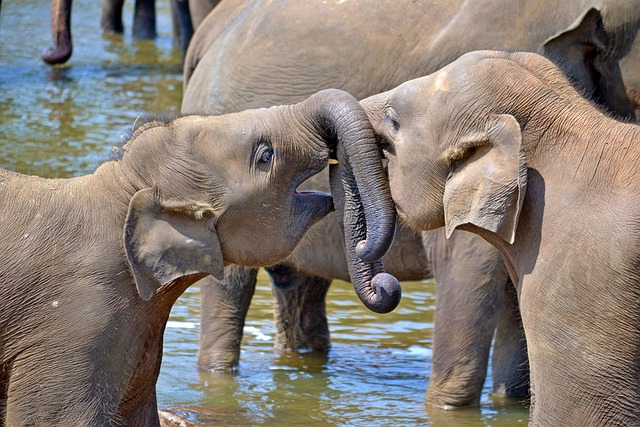
You watch as a young calf leans gently into an older elephant’s shoulder, no sound, no drama, just the comfort of being near someone who understands.
Every elephant here has a story. Some were rescued from pits, others from poaching. Some have visible scars, some carry pain you cannot see. But all of them walk toward healing, one slow, weighty step at a time.
And you?
You’re not just a visitor.
You’re a witness to resilience.
The River Ritual
Around mid-morning, it happens.
The gates open, and the elephants begin their daily pilgrimage to the Maha Oya River. It’s not rushed. It’s not choreographed. It’s sacred.
One by one, in quiet processions, they cross the dusty roads, brushing past sunbaked walls and awestruck onlookers. Shopkeepers step aside. Tourists whisper. Even the wind seems to hold its breath.
And then, you follow.
Down the slope, where the rocks glisten and the river sighs, you’ll see them:
Dozens of elephants were standing knee-deep in water.
Some splash, some wrestle playfully. Others simply stand still, letting the river cradle their aching feet.
There is something heartbreakingly beautiful about it all, like watching something ancient and holy unfold before your eyes.
A baby elephant dunks his head, trunk flailing in joy.
Another leans into the current like it’s music.
You stand at the edge, not taking pictures.
You forget to.
You’re too busy feeling.
More Than a Sanctuary
Pinnawala is not just a shelter for elephants, it’s a reminder of what it means to care.
The keepers know each elephant by name. They speak to them, not at them. They remember birthdays, bond through touch, and listen with more than their ears.
There’s a kind of invisible love here, woven through sugarcane feeds, river baths, and quiet moments between giants and humans.
If you stay long enough, you’ll notice something even more extraordinary:
The elephants seem to watch you, too.
Their eyes are deep wells of memory.
They know they hurt. They know healing.
And somehow, they know you’re trying to understand.
Beyond the Orphanage
Take a stroll around the village. Sip fresh coconut under a banana leaf roof. Visit a local paper mill where recycled elephant dung becomes art. Yes—art. Beauty, made from what others discard. A metaphor, if there ever was one.
As you leave, you’ll feel it—that strange, sweet ache of goodbye.
Because Pinnawala does something to you.
It softens your edges.
It stretches your empathy.
It teaches you that the biggest hearts often beat under the thickest skins.
In Pinnawala, giants walk slowly—but leave footprints on your heart that never fade.
And when you leave, you might just walk a little slower, too.
Not because you’re tired, but because you’ve learned the sacred weight of patience, presence, and love that lingers like sunlight on a river.